


Top Ranked Fencers
Epee
 Sera SONG
When and where did you begin this sport?
She began fencing at junior high school in Geumsan County, Republic of Korea.
Why this sport?
Her physical education teacher suggested the sport to her.
Learn more→ Gergely SIKLOSI
When and where did you begin this sport?
He began fencing at age seven. "I was doing it for fun until around 14 when I beat the Hungarian No. 1 at that time, and realised that this is serious, for real."
Why this sport?
"When I first tried [fencing], I felt like 'this is me'. Fencing is not only about physical or technical capabilities, it's also about mind games. It's not the fastest or the strongest who wins. It's the one who can put the whole cake together."
Learn more→Foil
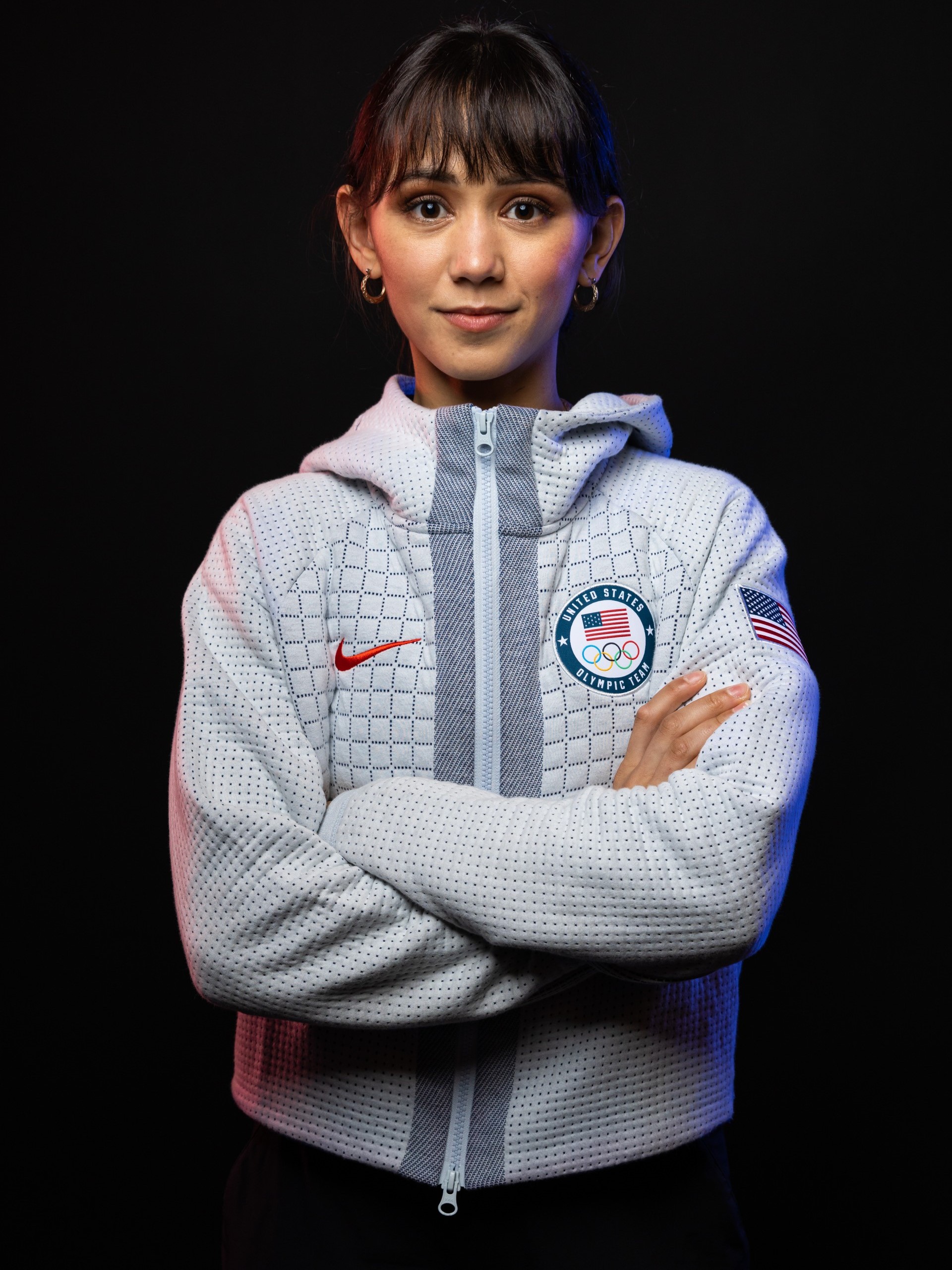 Lee KIEFER
When and where did you begin this sport?
She began fencing at age six after watching her father fence at a local competition. "My siblings and I thought the sport was strange and interesting-appearing, so my dad started teaching us the basics in our empty dining room and taking us to a club twice a week that was 1.5 hours away from where we lived."
Why this sport?
She and her brother and sister followed their father, Steve Kiefer, into the sport. "Growing up my dad decided that he wanted to take up fencing again. He hadn't picked up a foil in 10 or 15 years, and me and my siblings watched him compete at a local tournament. Then he asked if we wanted to try it, and we said yes. Twenty years later I'm still doing it."
Learn more→ Chun Yin Ryan CHOI
When and where did you begin this sport?
He began fencing in grade four of primary school.
Why this sport?
His mother forced him to go to a fencing lesson. "I didn't really want to go, but my mother made me because it was run by a friend of hers and they wanted more students. But, after the class, I loved it and wanted to continue."
Learn more→Sabre
 Misaki EMURA
When and where did you begin this sport?
She began fencing at age nine.
Why this sport?
She was encouraged to try the sport by her parents, and went to a fencing class where her father coached. She took up foil in grade three of primary school, but competed in sabre at a competition which had a prize of a jigsaw puzzle. She then switched to sabre before starting middle school.
Learn more→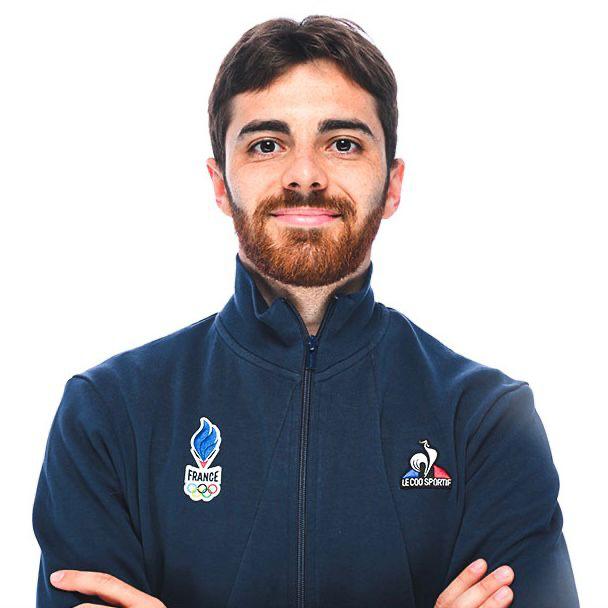 Jean-Philippe PATRICELearn more→
Results & Competitions
Latest Results
| Competition | Date | Weapon | Gender | Cat |
|---|---|---|---|---|
| Padua | 2026-03-08 | sabre | M | |
| Athènes | 2026-03-08 | sabre | F | |
| Cairo | 2026-03-08 | foil | F | |
| Cairo | 2026-03-08 | foil | M | |
| Padua | 2026-03-06 | sabre | M |
Upcoming Competitions
| Competition | Date | Weapon | Gender | Cat |
|---|---|---|---|---|
| Budapest | 2026-03-13 | epee | M | |
| Budapest | 2026-03-13 | epee | F | |
| Lima | 2026-03-20 | foil | M | |
| Lima | 2026-03-21 | foil | F | |
| Astana | 2026-03-26 | epee | M |
Malayalam cinema, also known as Mollywood, is a thriving film industry based in Kerala, India. With a rich history spanning over a century, it has evolved into a significant cultural phenomenon, reflecting the values, traditions, and ethos of the Malayali people. The industry has produced numerous acclaimed filmmakers, actors, and artists who have made a lasting impact on Indian cinema.
Malayalam cinema is deeply rooted in Kerala's culture and society. Films often reflect the state's rich traditions, folklore, and cultural heritage. The industry has also played a significant role in promoting social and cultural reforms, tackling issues like casteism, communalism, and women's empowerment. desi indian mallu aunty cheating with young bf exclusive
The 1980s and 1990s are often referred to as the Golden Era of Malayalam cinema. This period saw the rise of acclaimed directors like Adoor Gopalakrishnan, A. K. Gopan, and I. V. Sasi, who produced films that garnered national and international recognition. Movies like "Swayamvaram" (1972), "Nishant" (1976), and "Moose Munda" (1981) showcased the industry's artistic and narrative excellence. Malayalam cinema, also known as Mollywood, is a
Malayalam cinema and culture are intricately linked, reflecting the rich heritage and diversity of Kerala. The industry's commitment to artistic excellence, social relevance, and cultural sensitivity has earned it a special place in Indian cinema. As Mollywood continues to evolve, it remains a vibrant and dynamic force, shaping the country's cultural landscape. Malayalam cinema is deeply rooted in Kerala's culture
Today, Malayalam cinema is more diverse and experimental than ever. Filmmakers like Lijo Jose Pellissery, Adoor Gopalakrishnan, and Kamal Haasan have continued to push the boundaries of storytelling, exploring themes like social inequality, politics, and human relationships. The industry has also seen the emergence of new talent, including actors like Mohanlal, Mammootty, and Dulquer Salmaan, who have gained a massive following.
Malayalam cinema has had a significant impact on Indian cinema as a whole. The industry's innovative storytelling, cinematography, and music have influenced filmmakers across India. The success of Malayalam films like "Take Off" (2017) and "Angamaly Diaries" (2017) has also inspired a new wave of regional cinema.
The first Malayalam film, "Balan," was released in 1938, marking the beginning of a new era in Kerala's cultural landscape. Initially, films were produced in collaboration with Tamil and Telugu industries, but over time, the industry developed its unique identity. The 1950s and 1960s saw the emergence of a distinct Malayalam film movement, led by pioneers like G. R. Ravindranath, S. A. Dhamodaran, and Kunchacko.